
 Elitesofabric
decorative fabrics
Elitesofabric supplies fabric categories for sofa, curtain, and home textile programs, alongside garment, pet, toy, and automotive interior applications. Shortlist short plush, super-soft short velboa, velvet, velour, and suede fabric by actual construction, end use, finishing, care, and product-specific test evidence.
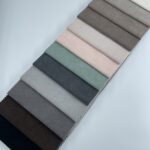
decorative fabrics
Decorative Fabric Types We Supply
Decorative fabric is a use-led category, not a single fiber, weave, or performance grade. A useful comparison separates four questions: what the fabric is made from, how it is constructed, what surface it presents, and where it will be used.
Elitesofabric’s listed product scope includes sofa fabric, curtain fabric, home textile fabric, garment fabric, pet fabric, toy fabric, and automotive interior fabric. Listed surface and product descriptions include short plush, super-soft short velboa, velvet, velour fabric, and suede fabric. Process categories in the company materials include warp knitting, weft knitting, dyeing, and finishing.
| Product or surface family | What to confirm before selection |
|---|---|
| Short plush and super-soft short velboa | Fiber content, knit construction, pile height and direction, weight, shedding or pilling behavior, colorfastness, and care method |
| Velvet and velour | Woven or knitted construction, pile formation, nap direction, crushing or marking expectations, rub colorfastness, intended use, and cleaning limits |
| Suede fabric | Whether the material is woven, knitted, nonwoven, brushed, bonded, or coated; polymer or fiber content; flexing, hydrolysis, surface wear, and cleaner compatibility where relevant |
| Sofa and upholstery fabric | Furniture position, residential or public-space use, abrasion method, pilling, seam performance, strength, colorfastness, backing, finish, and cleaning method |
| Curtain and home textile fabric | Drape, usable width, weight, opacity, pattern direction and repeat, light exposure, lining needs, care, and project-specific flammability requirements |
| Garment, pet, toy, and automotive interior fabric | Exact component, contact conditions, assembly method, applicable market requirements, test plan, and required documentation |
The same fiber can produce different knitted, woven, pile, printed, or finished fabrics. Likewise, names such as velvet, velour, and suede describe structure or surface more than fiber content. Compare the complete specification rather than the category name alone.
Discuss Your Fabric CategoryMatch the Fabric to the End Use
Start with the finished product and the conditions it will face. A fabric selected for drape and light management is evaluated differently from one used on a frequently occupied seat.
| End use | Decision-changing conditions |
|---|---|
| Upholstered sofas, chairs, cushions, and panels | Furniture position, use frequency, seam locations, abrasion, pilling, snagging, strength, stretch and recovery, nap direction, cleaning, and local furniture requirements |
| Curtains and window treatments | Drape, weight, usable width, opacity, light exposure, pattern direction, repeat, lining, dimensional change, care, and project flammability requirements |
| Decorative pillows and home textiles | Hand feel, appearance, closure and seam construction, contact frequency, washable or fixed construction, colorfastness, and care |
| Garments, toys, and pet products | Skin or mouth contact where applicable, seam and component design, pile retention, cleaning, colorfastness, chemical and market requirements, and the test responsibility for the finished item |
| Automotive interior components | Exact interior location, forming and sewing method, wear, light and heat exposure, cleaning chemistry, odor or emissions requirements, and customer-specific specifications |
Indoor and outdoor exposure must be stated explicitly. Outdoor or strongly sunlit uses require evidence for weathering or light exposure, water management, drying, backing, and maintenance; an “outdoor” label by itself is not a specification.
For patterns, pile, ribs, or directional surfaces, include the normal roll direction and planned cutting orientation. Direction changes can alter shade, sheen, seam appearance, and material consumption.
A Practical Decorative Fabric Selection Method
1. Define the application
State the finished product, component, indoor or outdoor location, residential or public-space setting, use frequency, light and moisture exposure, likely stains, cleaning routine, and applicable market requirements.
2. Rank the priorities
Separate must-have performance from visual preferences. Rank hand feel, color, texture, drape, abrasion, pilling, snagging, seam stability, lightfastness, cleanability, budget, and documentation according to the project.
3. Compare the complete construction
Confirm fiber percentages, yarn and fabric structure, pile or surface, backing or coating, finish, usable width, weight, color, pattern repeat, and direction. “100% polyester” identifies fiber content only; it does not establish the weave, pile, finish, care method, or performance level.
4. Match evidence to the expected failure
If the main risk is seat wear, review abrasion together with pilling, seam performance, strength, and appearance change. If the risk is sunlight, review lightfastness. If the risk is spills, define the actual stains and permitted cleaning procedure. For pets, evaluate snagging, exposed loops, hair visibility, cleaning, and sample behavior rather than relying on a “pet-friendly” label.
5. Approve a representative sample
Use a sample large enough to judge color, hand, pile direction, pattern scale, stretch, backing, opacity, and sewing behavior. Directional or large-repeat designs may need a full-width or larger sample. Record the item, color, version, approval date, and approved attributes.
6. Confirm cutting and consumption
Calculate against usable width, pattern repeat, nap or print direction, matching, furniture or product dimensions, seam placement, expected cutting loss, and order unit. Recalculate when the design, width, direction, quantity, or construction changes.
Send Your Application DetailsTesting and Approval Evidence to Compare
Testing should follow the end use and the likely failure mode. Ask for reports tied to the exact product or representative construction, with the test method, sample description, direction, conditions, units, result, date, and issuing laboratory.
| Procurement question | Evidence to review |
|---|---|
| Will the surface retain its appearance? | Pilling, snagging where relevant, pile or print appearance after rubbing, and before/after specimen images |
| Can it withstand the intended physical load? | Abrasion using the stated method and endpoint, breaking or bursting strength as appropriate, seam slippage or seam strength, elongation, and recovery |
| Will color transfer or fade? | Dry and wet crocking, lightfastness or weathering suited to the exposure, and cleaning-related color change |
| How should it be cleaned? | Care instructions plus repeated-cleaning results for color, dimensions, hand, pile, coating, backing, and print |
| Does a finish support the claim? | Product-specific methods and results for the named property, such as stain release, water repellency, water penetration, or flame performance |
| Is the batch consistent with approval? | Approved standard, shade and appearance checks, width and weight checks, roll identification, defect rules, and batch-linked inspection records |
Martindale and Wyzenbeek abrasion results use different methods and should not be converted or ranked as if they were the same scale. A high abrasion number also does not replace pilling, snagging, seam, strength, colorfastness, or cleaning evidence.
If the project follows an ACT guideline or another customer standard, identify the fabric type, application, method, and required result in the purchase specification. Product construction and end use determine whether a guideline is applicable.
Supplier and Certification Information
Brand: Elitesofabric
Company entity: Haining Tuoda New Material Co., Ltd.
Company records list 2017 as the founding year. The company address is NO.28 Road 8th Jingbian, Haining Warp Knitting Industry Zone, Haining City, Zhejiang Province, China 314400. Its listed export markets include Europe, the Middle East, the Americas, and Africa.
Contact
- Email: [email protected]
- Phone: 13706595350
- WhatsApp: 13706595350
GRS scope available for relevant orders
ETKO Scope Certificate ETK-00042930-GRS-2601 names HAINING TUODA NEW MATERIAL CO., LTD. as the certificate holder. It was issued January 29, 2026, is valid through January 28, 2027, and references Global Recycled Standard (GRS) Version 4.0.
The certificate scope lists printed fabrics and dyed fabrics, with knitted fabrics in the product details. Listed responsible processes include knurling, preparatory, and knitting. Starred dyeing, finishing, and printing processes may be performed by independently certified subcontractors identified in the certificate appendix.
A scope certificate defines an approved organizational and process scope; it does not identify every fabric or shipment as GRS certified. For a recycled-material inquiry, specify the required recycled content and product construction, then verify the exact product against the certificate appendix and request the transaction certificate or equivalent shipment-level documentation.
Request Company or GRS DocumentsWhat Determines a Decorative Fabric Quote
A comparable quote begins with a comparable specification. Price can change when any of the following inputs change:
| Quote factor | Information needed |
|---|---|
| Fiber and construction | Fiber percentages, woven or knitted structure, yarn or pile system, backing, coating, and finish |
| Dimensions | Usable width, weight, thickness where relevant, pattern repeat, direction, and required length or unit |
| Color and design | Standard or custom color, print or pattern file, number of colors, matching requirements, approval route, and color tolerance |
| Performance | End-use test methods and acceptance criteria, care requirements, market compliance, and required reports or certificates |
| Quantity and packaging | Quantity by item and color, order unit, roll-length expectations, short-roll or joint limits, labeling, inner protection, and export packaging |
| Commercial terms | Currency, quotation validity, Incoterm, destination, payment terms, and transport scope |
| Schedule | Sample, color development, production, testing, packing, and transport stages, including the event that starts each stage |
MOQ may be defined by item, color, process, roll, or total order. Lead time may also differ for samples, color development, production, testing, dispatch preparation, and transportation. Ask for both in the written quote for the selected construction, color, quantity, and destination.
Request a Project QuoteWhat to Include in Your Inquiry
Send the details below to receive a useful fabric recommendation and a quote that can be compared with other options.
- End use: finished product, component, indoor or outdoor location, residential or public-space use, and expected frequency.
- Preferred construction: fiber target, woven or knitted structure, short plush, velboa, velvet, velour, suede surface, or a reference sample.
- Dimensions: usable width, weight, thickness if relevant, estimated quantity, purchase unit, and number of colors.
- Appearance: color standard, pattern artwork or reference, repeat, scale, direction, gloss, texture, and matching requirements.
- Finish and care: backing or coating, hand feel, stain or water requirement with a defined test, permitted cleaners, washable or fixed construction, and drying limits.
- Performance and compliance: required test methods and criteria, target market, finished-product standard, chemical restrictions, reporting format, and certification or traceability documents.
- Order and delivery: sample type, destination, packaging, Incoterm, target date, and any required pre-production or shipment approval.
If an existing fabric must be matched, provide an identified physical sample and state which attributes must match: color, hand, structure, weight, width, pile, finish, performance, or all of them. A photo is useful for initial discussion but cannot establish color, construction, or acceptance tolerances.
Start a Specification ReviewSample-to-Order Implementation Stages
1. Shortlist the construction
Share the application and specification. Confirm which listed fabric family is relevant and request product-level data before comparing color options.
2. Define the sample
State whether you need a color card, cutting, memo sample, lab dip, print strike-off, pre-production sample, or batch cutting. Ask the quote to confirm sample size, quantity, fee, freight, availability, preparation time, return requirement, and destination coverage.
3. Record approval
Link the approved sample to the item, color, construction or artwork version, date, and approved attributes. Keep appearance approval separate from any performance report that applies to a different sample or batch.
4. Confirm the commercial order
The written order should identify the item and color, approved reference, quantity and unit, usable width, weight, repeat and direction, finish, backing, test and document requirements, packaging, price basis, MOQ, payment, Incoterm, destination, and schedule milestones.
5. Define batch and shipment checks
Agree on shade and appearance comparison, roll and batch identification, width and weight checks, defect and short-length rules, required testing, packaging, and shipment documents. For certified recycled orders, add the product-level scope check and transaction documentation.
6. Reconfirm changes
Color, quantity, finish, testing, packaging, artwork, or schedule changes can affect cost, approval, and timing. Record the revised specification and approval point before proceeding.
Ask About Samples and Order TermsTell Us What Your Decorative Fabric Needs to Do
- Phone: 13706595350
- Email: [email protected]
- WhatsApp: 13706595350
- Address: NO.28 Road 8th Jingbian, Haining Warp Knitting Industry Zone, Haining City, Zhejiang Province