
 Elitesofabric
designer fabric upholstery
Build a furniture collection around color, texture, pattern, and a specification your production team can approve. Elitesofabric supplies polyester upholstery fabrics for sofas, chairs, cushions, upholstered panels, and coordinated interior projects, with glossy velvet, jacquard, printed and embossed surfaces, and woven check designs available for commercial inquiry.
Choose an existing design or send your color, pattern, application, and quantity requirements for review by Haining Tuoda New Material Co., Ltd.

Designer Fabric Upholstery
Choose the Surface That Carries Your Design
The fabric surface controls how color and pattern respond to light, furniture shape, and viewing distance. Start with the visual result, then confirm the structure and performance data required for the final application.
Polyester identifies the fiber content of the six featured fabrics. Velvet, jacquard, printing, embossing, and woven checks describe structure or surface design; they do not establish an abrasion rating, stain treatment, cleaning code, or compliance result by themselves.
Glossy velvet
A smooth pile and directional sheen create tonal movement as the viewing angle changes. Glossy velvet suits statement sofas, lounge chairs, headboards, and accent panels where light reflection is part of the design.
Jacquard velvet
Jacquard construction forms the pattern through the fabric structure, while the velvet surface adds depth and a soft hand. It works well when a project needs a repeatable motif with stronger texture than a flat print.
Printed and embossed velvet
Printing applies the design to the surface, and embossing adds relief. This route supports expressive motifs and dimensional effects, but the print system, embossing definition, pile direction, and batch consistency should be approved on a physical sample.
Woven jacquard checks
Woven checks create their pattern through yarn and weave relationships. They bring an architectural rhythm to sofas, armchairs, cushions, and coordinated upholstery, with pattern repeat and alignment influencing cutting yield.
Match the Fabric to the Furniture and Use
Define the upholstered area
Seat cushions and front edges receive concentrated friction, pressure, and soil. Backs, side panels, headboards, and decorative cushions may place greater weight on drape, pattern scale, and hand. Tell us where the fabric will be installed so the specification can follow the actual load.
Set the visual direction
Choose the color family, sheen level, texture, motif, and pattern scale in the room where the furniture will be used. Velvet can look lighter or darker as the pile direction changes, while checks and directional motifs require a clear cutting orientation.
Describe daily exposure
Include usage frequency, direct sunlight, children or pets, spill risk, cleaning routine, indoor climate, and any public-space requirements. These conditions determine which test reports, finishes, and care information need to be confirmed.
Confirm performance with comparable data
Request the relevant abrasion method and result, pilling, dry and wet crocking, lightfastness, strength, seam performance, cleaning code, and applicable flammability or chemical requirements. Wyzenbeek double rubs and Martindale cycles come from different test systems and should not be converted into one another.
Approve a physical sample
Review the sample beside flooring, wood, metal, paint, and other textiles under daytime and evening light. Record the approved color, face direction, hand, pattern scale, and specification version before bulk production.
Featured Designer Upholstery Fabrics
Compare the six selected styles below. Width is shown in both the product-page metric value and an approximate U.S. conversion. Weight and MOQ follow the corresponding product pages.
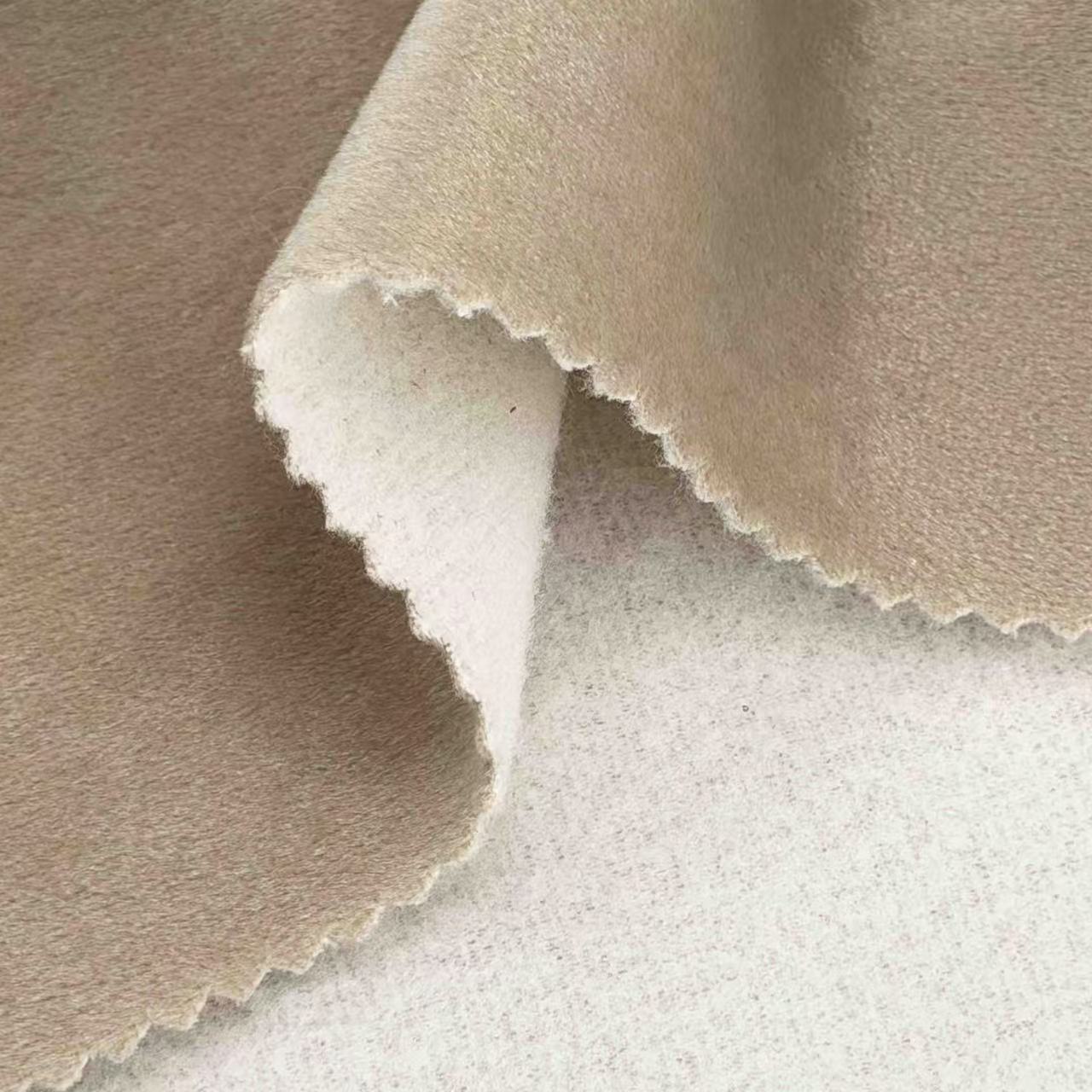
Luna Glossy Velvet Upholstery Fabric
A lustrous polyester velvet for furniture that uses sheen and changing highlights as part of its visual character.
- CompositionPolyester
- Width142 cm (about 55.9 in.)
- Weight220+160 GSM
- MOQ1,000 m per color
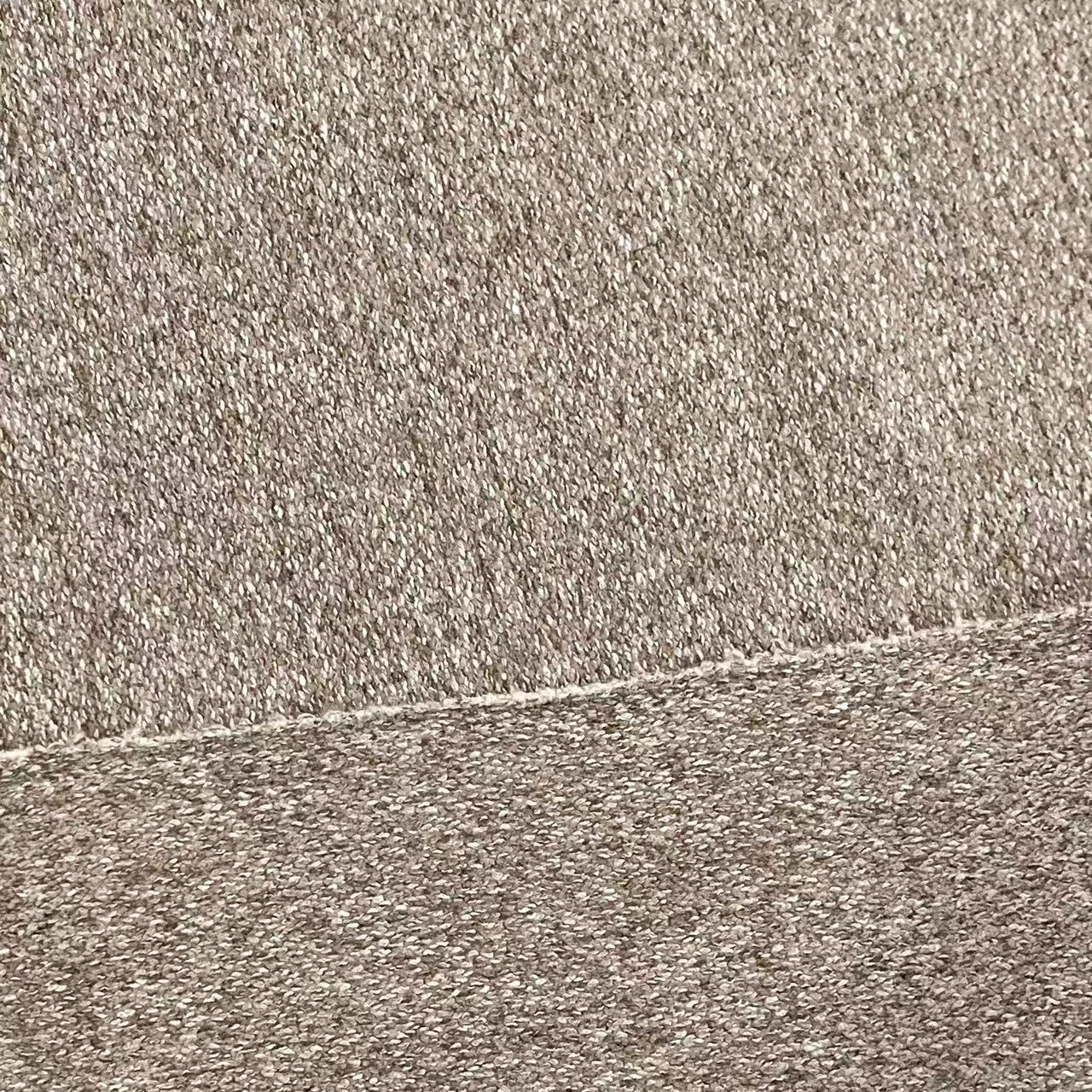
JS87 Jacquard Snowflake Velvet Upholstery Fabric
A polyester jacquard velvet with a snowflake-inspired motif and a textured surface for sofas, armchairs, cushions, and decorative upholstery.
- CompositionPolyester
- Width142 cm (about 55.9 in.)
- Weight360 GSM
- MOQ1,000 m per color
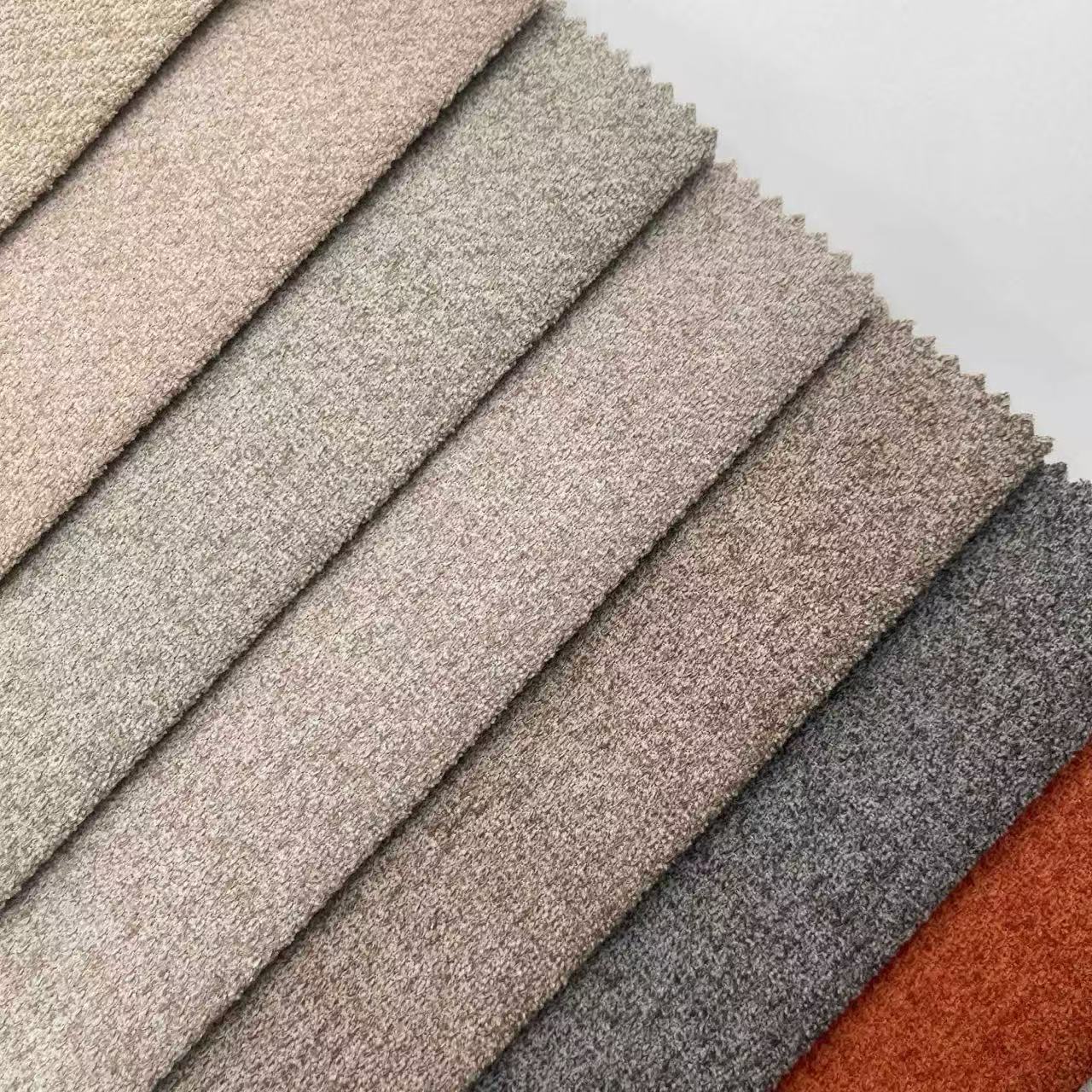
Cationic Dyed Pineapple Grid Velvet Sofa Fabric 260405
A polyester velvet with a pineapple-grid design that adds small-scale geometry and tonal variation to upholstered furniture.
- CompositionPolyester
- Width142 cm (about 55.9 in.)
- Weight160+50 GSM
- MOQ1,000 m per color
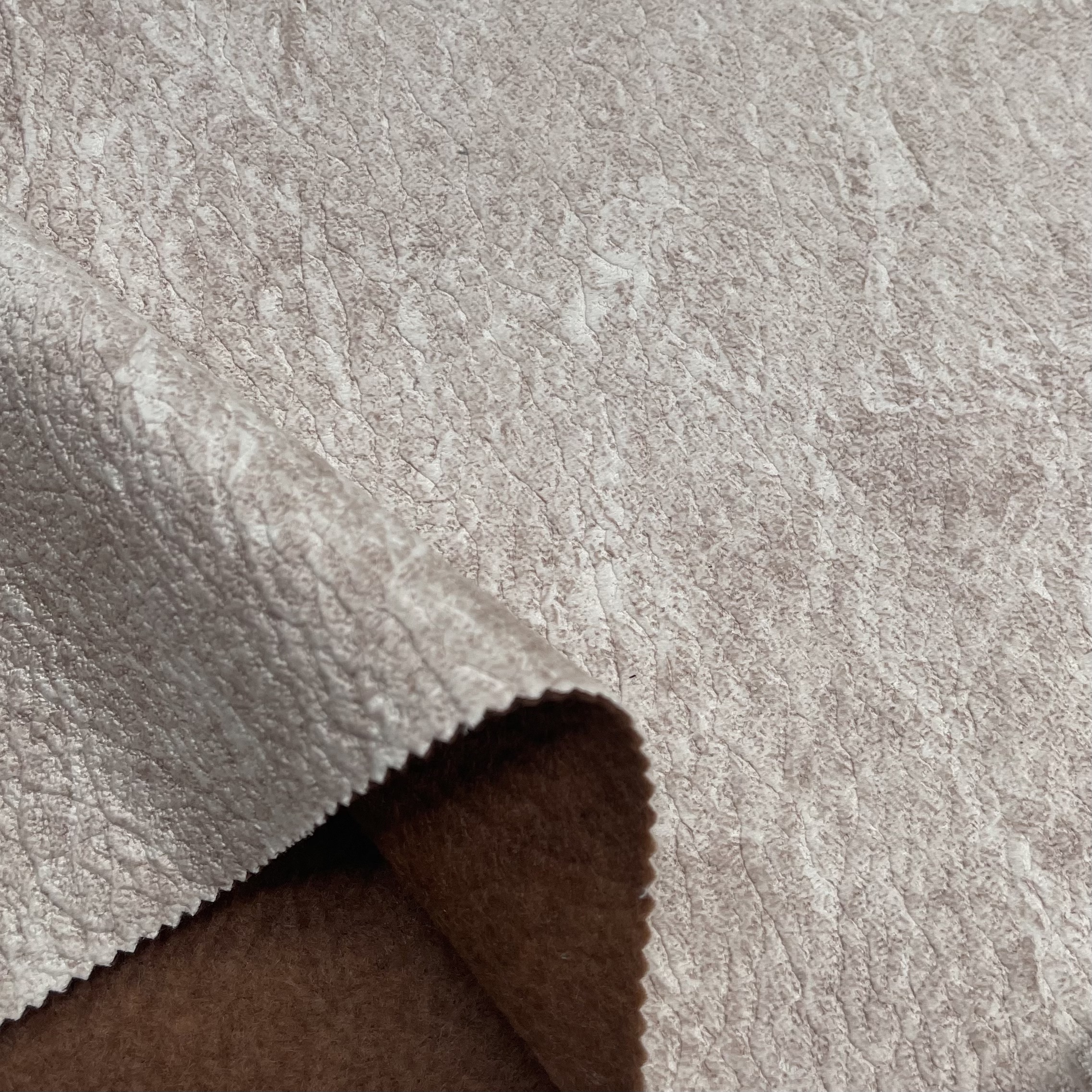
Printed Embossed Holland Velvet Upholstery Fabric
A polyester Holland velvet that combines printed color with an embossed surface for a more dimensional decorative effect.
- CompositionPolyester
- Width142 cm (about 55.9 in.)
- Weight200+120 GSM
- MOQ1,000 m per color
JC9806 Jacquard Check Woven Upholstery Fabric
A polyester woven jacquard with a structured check design for tailored sofas, chairs, cushions, and coordinated furniture collections.
- CompositionPolyester
- Width142 cm (about 55.9 in.)
- Weight360 GSM
- MOQ1,000 m per color

Two-Tone Jacquard Check Upholstery Fabric
A 400 GSM polyester jacquard check with a two-tone palette and a substantial woven appearance for structured upholstery designs.
- CompositionPolyester
- Width142 cm (about 55.9 in.)
- Weight400 GSM
- MOQ1,000 m per color
Develop a Custom Color, Pattern, or Presentation
Custom development begins with a usable design brief. Send the intended furniture, base fabric or reference quality, color standard, artwork, pattern repeat, required width and weight, estimated quantity, test requirements, and target delivery window. If the design uses third-party artwork, include the rights needed to reproduce it.
Haining Tuoda New Material Co., Ltd. reviews the brief against the selected construction and production route. The review identifies open decisions such as color matching, motif scale, surface process, labeling, packaging, and the tests or documents required for approval.
A development sample provides the decision point before bulk production. Approve the sample by a recorded reference rather than a screen image, and state which attributes are approved: color, pattern, surface, hand, dimensions, or performance. Keep a retained sample for comparison with production.
Bulk instructions should carry the approved version, allowed tolerances, packing method, labeling, inspection plan, and shipment terms. Changes after sample approval can affect material use, schedule, and price, so record them before production starts.
Start a Custom Fabric RequestBuild an Approval Specification Before Ordering
Use one specification for sampling, quotation, purchase order, and inspection. This keeps design approval and production acceptance tied to the same requirements.
| Specification field | What to record |
|---|---|
| Product identity | Style name or code, color, revision, and approved sample reference |
| Material | Fiber composition and percentage; weave, knit, pile, print, embossing, backing, or coating construction |
| Dimensions | Total width, usable width, roll length unit, permitted short rolls, and continuous-length needs |
| Surface and direction | Face side, pile direction, motif direction, pattern repeat, and whether railroaded use is permitted |
| Physical specification | GSM, thickness when relevant, stretch/recovery, strength, seam performance, pilling, and snagging requirements |
| Appearance performance | Color tolerance, dry and wet crocking, lightfastness, print registration, and surface consistency |
| Care and finish | Cleaning code, finish name, finish durability, and incompatible cleaning methods |
| Project requirements | Indoor or outdoor location, residential or contract use, applicable test methods, required reports, and destination-market rules |
| Order controls | MOQ basis, quantity and unit, batch allocation, roll identification, inspection method, packaging, and delivery terms |
Use the same test method, specimen condition, direction, unit, and rating scale when comparing fabrics. A single abrasion number cannot replace pilling, colorfastness, seam, cleaning, or project-specific compliance information.
Send Your SpecificationRequest a Quote That Can Be Compared Line by Line
Send the product name or reference image, color, quantity, delivery destination, intended application, required tests, packaging, and requested timing. For patterned furniture, include the furniture dimensions or cutting plan, number of pieces, usable width, repeat, pile direction, and matching requirements if you want help reviewing estimated material use.
The six featured fabrics list an MOQ of 1,000 meters per color. Confirm availability, color development, sample terms, MOQ basis, and production timing for the selected style when requesting a quote; stock and schedules can change between inquiry and order confirmation.
A complete quotation should state currency, sales unit, quantity tier, sample or development charges, production status, lead-time starting point, packaging, shipping scope, named Incoterms location, payment terms, and quote validity. Separate sample preparation, color or pattern development, production, testing, export preparation, and transit time when planning the schedule.
For coordinated furniture, ask that rolls be allocated by batch and identified on the packing list. Pattern matching, pile direction, usable width, short rolls, and cutting waste can change the fabric cost per finished piece even when the unit price is unchanged.
Get a Detailed QuoteDesigner Upholstery Fabric FAQ
Can I buy these fabrics by the yard?
The six featured products are presented for commercial inquiry and each lists an MOQ of 1,000 meters per color. Ask about sample cuts and current order options for the exact style and color; do not base a project on retail yardage availability until it is confirmed in writing.
How much upholstery fabric will my furniture need?
Provide furniture dimensions or a cutting plan, piece quantity, chosen fabric, usable width, pattern repeat, pile direction, and matching requirements. A sofa description such as “three-seat” is not enough for an order quantity because arm shape, cushion layout, skirt, piping, and pattern placement change the yield.
Can these fabrics be used outdoors?
The featured product data does not by itself establish outdoor performance. Outdoor upholstery requires evidence for light exposure, moisture, mildew risk, dimensional stability, cleaning, and any specified water-repellent or weathering performance.
Will a repeat order match the first batch exactly?
Color and surface can vary between production lots. Keep the original style, color, batch, and approval reference, and request a new comparison sample when a later order must coordinate with existing furniture.
Request a Designer Upholstery Fabric Quote
- Phone: 13706595350
- Email: [email protected]
- WhatsApp: 13706595350
- Address: NO.28 Road 8th Jingbian, Haining Warp Knitting Industry Zone, Haining City, Zhejiang Province