
 Elitesofabric
upholstery fabric
Source polyester upholstery fabric across velvet, plush, chenille, jacquard, quilted, and linen-textured constructions. Compare current options, define the performance evidence your furniture requires, and send one clear brief for samples and a project quote.
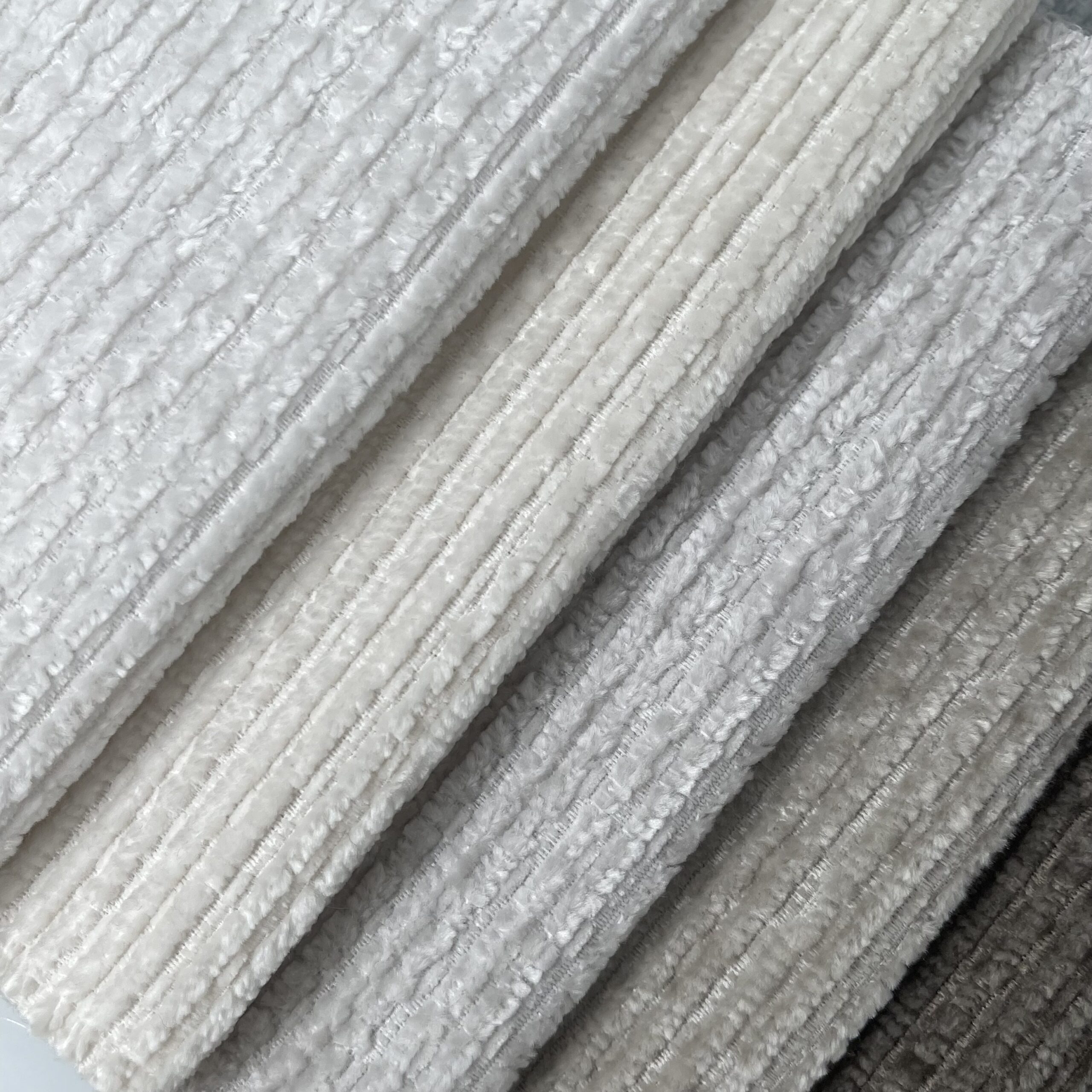
Fabric for Furniture Collections and Upholstery Projects
Upholstery Fabric Types, Organized by Surface and Construction
Upholstery fabric covers the visible seats, backs, arms, and other padded surfaces of furniture. The end use creates the requirements: a sofa seat experiences pressure, rubbing, seam stress, spills, and repeated cleaning, while an accent panel may place more weight on color and texture.
Use the surface name to begin a search, then verify the underlying construction and specifications before ordering.
Velvet and coated velvet
Velvet offers a pile surface with directional color and sheen. Foil printing or coating can add a metallic or decorative finish, but coating adhesion, flexing, cleaning compatibility, and the approved pile direction still need to be checked for the intended furniture.
Plush and wool-look textures
Plush constructions create a soft, full hand and a pronounced tactile surface. Compare pile density, shedding or fuzzing, pilling, recovery after pressure, and the way the texture appears on horizontal seats and vertical backs.
Chenille and jacquard
Chenille develops texture through fuzzy yarns, while jacquard forms a pattern through the fabric structure. Yarn security, floats, pattern direction, seam behavior, and cleaning response determine whether a specific design fits a high-contact surface.
Printed and quilted surfaces
Printing applies color or imagery to a base fabric. Quilting joins a face layer to one or more additional layers to create dimension. Pattern repeat, colorfastness, layer stability, total thickness, backing construction, and cut-edge behavior should be included in the approval.
Linen-look and knitted constructions
Linen-look describes an appearance rather than a fiber. Knitted structures use interlocking loops and can behave differently from woven fabrics in stretch, recovery, sewing, and seam support. Confirm the actual fiber content and construction rather than selecting from the style name alone.
Choose for the Furniture, the Room, and the Way It Will Be Used
Start with the furniture position and expected use. A residential accent chair, a family-room sectional, a hospitality seat, and a loose cushion can require different priorities even when the desired color is identical.
- Define the application. State whether the fabric is for a seat, back, arm, side panel, cushion, fixed upholstery, or removable cover. Add residential or commercial use, estimated traffic, indoor conditions, and the expected service environment.
- Rank the risks. Identify the most likely problems: surface wear, pilling, snagging, seam opening, pile crushing, fading, staining, or damage from cleaning.
- Describe the visual target. Provide a color reference, pattern scale, gloss level, texture, and desired direction. Velvet, checks, and other directional patterns affect layout and cutting yield.
- Set measurable requirements. Request the relevant abrasion, pilling, seam slippage, breaking strength, crocking, lightfastness, and cleaning data for the exact article. Test names and conditions must accompany the results so candidates can be compared correctly.
- Review the actual sample. Check the face and back, hand, thickness, opacity, stretch and recovery, pile direction, pattern repeat, and appearance under project lighting.
- Confirm care and installation. Match cleaning instructions, approved chemicals, backing, sewing method, pattern placement, and pile direction to the furniture maker’s process.
- Calculate usable quantity. Base the order on usable width, furniture dimensions or pattern pieces, repeat matching, nap direction, cutting waste, and a defined reserve—not on the price per yard or meter alone.
Explore Upholstery Fabric Options
These six options show different ways to build color, texture, pattern, and dimension into upholstered furniture. Specifications below reproduce the information currently published on each linked product page; request a current sample and order-specific confirmation before bulk approval.
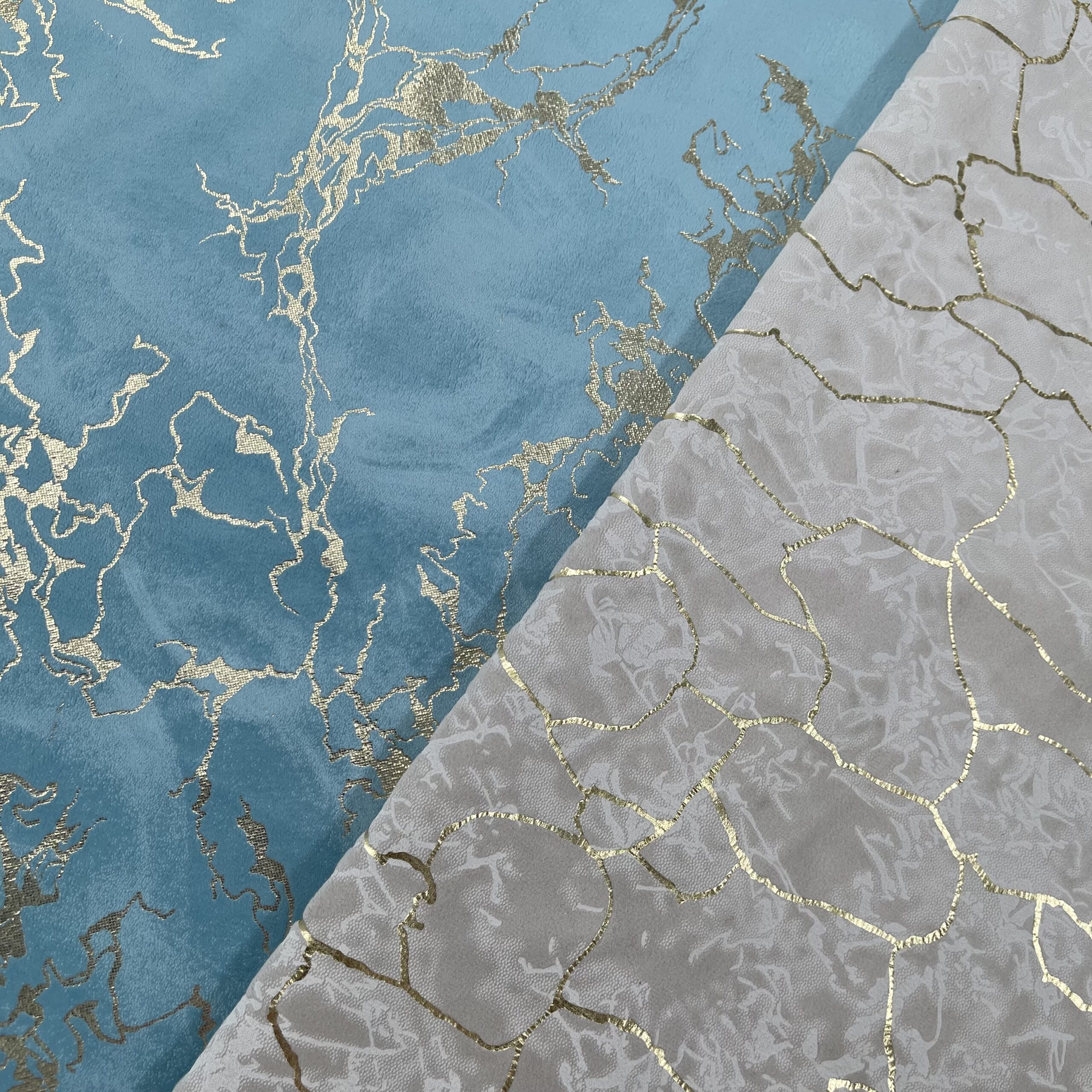
Foil-printed velvet combines a directional pile with a reflective decorative surface.
Foil Printed Coated Velvet Upholstery Fabric
A polyester woven velvet with a foil-printed, coated surface for decorative sofa, armchair, and cushion applications. The metallic effect and pile direction create visible changes in light, so approve color, sheen, pattern placement, and cleaning compatibility on a physical sample.
- FiberPolyester
- ConstructionWoven
- Width155 cm / approximately 61.0 in
- Weight220 GSM / approximately 6.5 oz/yd²
- Published useSofa fabric
- Published MOQ1,000 m per color
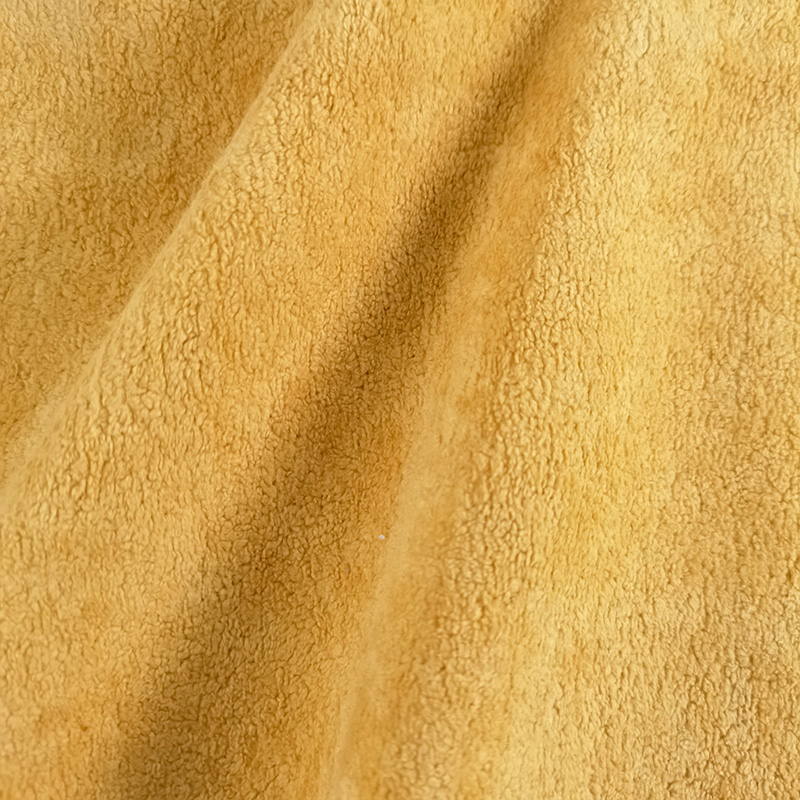
A dense plush face creates a soft hand and pronounced visual texture.
Alpaca Wool-Look Plush Upholstery Fabric
A polyester woven upholstery fabric with a full, alpaca-inspired plush surface. It is a tactile option for sofas, armchairs, and cushions where the design calls for warmth and visible texture; sample review should include pile recovery, pilling, shedding, and cleaning response.
- FiberPolyester
- ConstructionWoven
- Width145 cm / approximately 57.1 in
- Weight330 GSM / approximately 9.7 oz/yd²
- Published useSofa fabric
- Published MOQ1,000 m per color
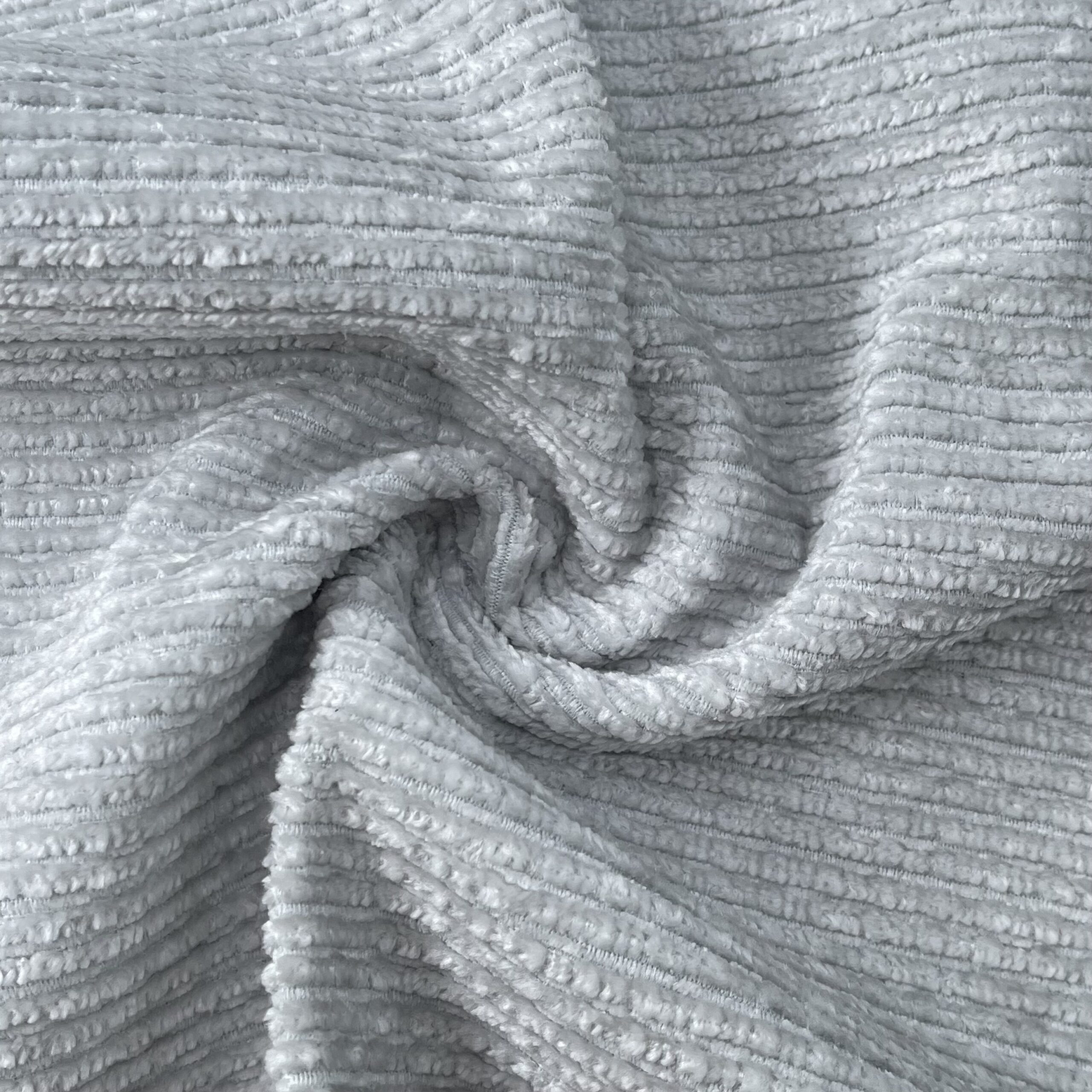
A woven check and chenille yarn surface add pattern depth and tactile contrast.
Cationic Check Jacquard Chenille Upholstery Fabric
A polyester woven upholstery fabric that combines a check pattern, jacquard construction, and chenille texture. Use it when the collection needs structured pattern and a softer surface, and confirm the check scale, pattern alignment, yarn security, and seam performance on the intended furniture pieces.
- FiberPolyester
- ConstructionWoven
- Width145 cm / approximately 57.1 in
- Weight280 GSM / approximately 8.3 oz/yd²
- Published useSofa fabric
- Published MOQ1,000 m per color

The printed velvet face is quilted to create dimension, with PVC dots visible on the reverse.
Printed Ice Velvet Quilted Fabric with PVC Dot Backing
A polyester woven fabric with a printed ice-velvet face, quilted construction, and PVC dot backing. The layered build gives the surface additional dimension, while the dotted back is intended to improve stability in suitable cushion, mattress-cover, sofa, and upholstery applications.
- FiberPolyester
- ConstructionWoven, quilted, with PVC dot backing
- Width145 cm / approximately 57.1 in
- Weight300 GSM / approximately 8.8 oz/yd²
- Published useSofa fabric
- Published MOQ1,000 m per color
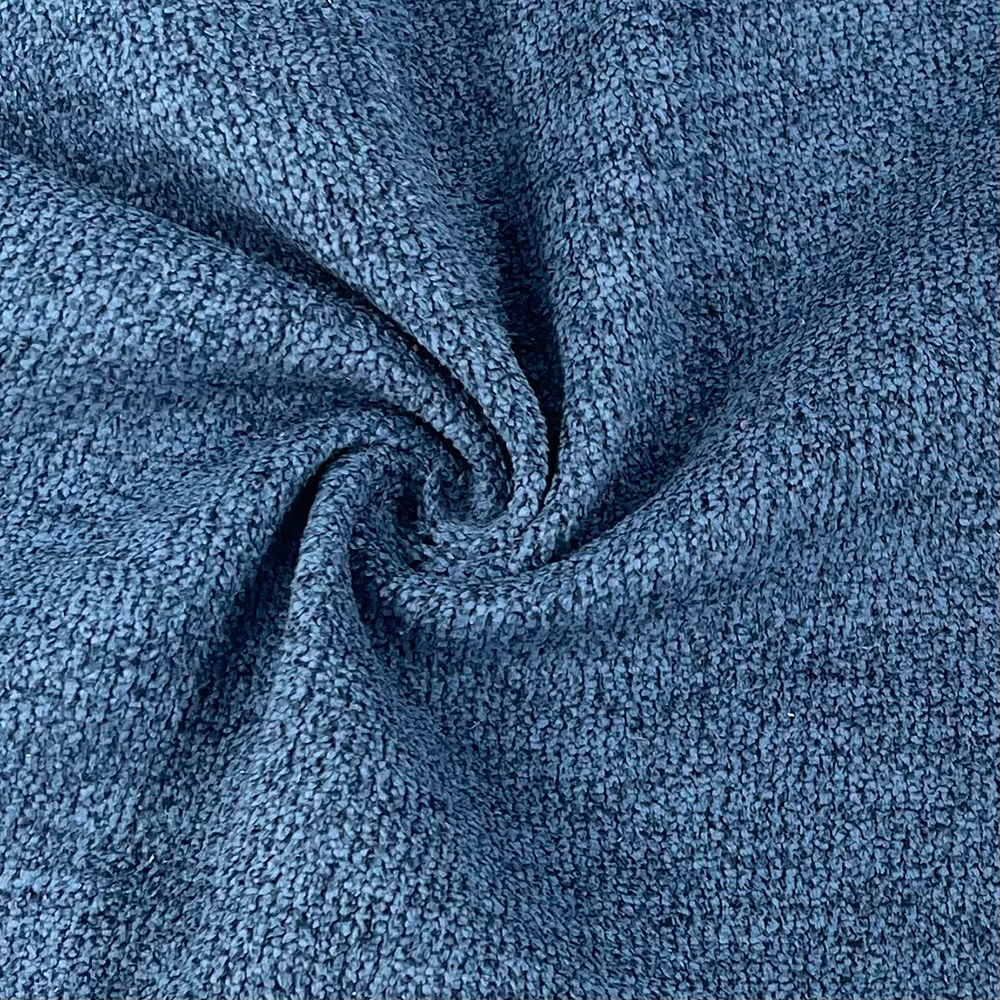
Cationic yarn coloration and a woven surface create a linen-inspired texture.
Cationic Linen-Textured Upholstery Fabric
A polyester woven sofa fabric with a cationic-dyed, linen-textured appearance. It provides a more understated woven look than plush or reflective velvet options and can be considered for sofas, armchairs, cushions, and other interior upholstery.
- FiberPolyester
- ConstructionWoven
- Width142 cm / approximately 55.9 in
- Weight360 GSM / approximately 10.6 oz/yd²
- Published useSofa fabric
- Published MOQ1,000 m per color

A jacquard-patterned surface gives this polyester upholstery option visible depth.
Jacquard Circular Knitted Upholstery Fabric
A polyester upholstery fabric presented with a jacquard pattern and circular-knitted construction. Its textured pattern can add depth to sofas, cushions, and armchairs; confirm stretch, recovery, seam support, pattern direction, and the final construction specification on the order sample.
- FiberPolyester
- Width145 cm / approximately 57.1 in
- Weight260 GSM / approximately 7.7 oz/yd²
- Published useSofa fabric
- Published MOQ1,000 m per color
Compare Specifications That Predict Real-World Performance
A useful upholstery specification identifies the exact article and color, fiber content, construction, usable width, weight, face and back, pattern or pile direction, repeat, finish, backing, recommended use, and care method. These fields explain what the material is; test data explains how the specific material performs.
| Purchase question | Evidence to request | Why it matters |
|---|---|---|
| Will the surface resist repeated rubbing? | Abrasion method, specimen direction, pressure or loading, endpoint, and result | Wyzenbeek double rubs and Martindale cycles use different systems and should not be converted directly. |
| Will it keep a clean appearance? | Pilling method and rating; snagging method for exposed loops or textured yarns | Abrasion alone does not predict pilling, pulled yarns, or pile change. |
| Will seams remain stable? | Breaking strength and seam-slippage results in both fabric directions | Seat and arm panels can fail at seams even when the face shows limited wear. |
| Will color transfer or fade? | Dry and wet crocking plus lightfastness method, exposure, and rating | A color name or polyester content does not establish colorfastness. |
| Will a performance finish handle the expected spill? | Named stain or liquid, dwell time, cleaning procedure, cycles, and acceptance rating | Water repellency, stain resistance, stain release, and waterproofing describe different behaviors. |
| Can the furniture be cleaned as planned? | Approved cleaner, application method, drying method, and effect on face, coating, backing, and color | A removable sample, a removable cover, and fixed upholstery may require different care. |
Submit the standards or project requirements that apply in the destination market. The evidence should identify the tested article and relevant batch or version so the result can support the purchase decision.
Request Specification SupportDevelop the Color, Pattern, and Finish Around Your Collection
Custom upholstery fabric begins with a controlled design brief. Define the base construction, fiber, color reference, pattern artwork, physical repeat, scale, direction, texture, gloss, backing, finish, usable width, target weight, quantity, and performance requirements in separate fields.
Color and surface
Use a Pantone reference or an approved physical standard, then review the candidate under both controlled light and the project’s actual lighting. Velvet and other directional surfaces should be viewed on horizontal, vertical, and curved planes because pile direction changes perceived depth and shade.
Pattern and placement
Provide the approved artwork version, color separations, physical repeat, motif orientation, and intended furniture panels. Checks, stripes, jacquards, and large prints require a cutting plan that accounts for alignment, centered motifs, nap direction, and added matching waste.
Construction and finish
State whether the project requires a woven or knitted base, plush or velvet face, jacquard structure, printing, quilting, coating, or backing. Any request for stain release, water repellency, flame performance, recycled content, or another functional claim should include the required test or documentation for the destination and end use.
Approval record
Tie every approved sample to an article, color, artwork revision, construction, finish, and approval date. The record tells production which attributes were accepted and prevents an early visual sample from being treated as approval of unrelated physical performance.
Use Samples to Move from Screen Selection to Production Approval
Online images are useful for narrowing the range, but they cannot establish hand, thickness, reverse construction, true color, pile direction, pattern scale, or sewing behavior. Use the smallest sample that can answer the decision at each stage.
- Color card or cutting: Compare the color family, hand, visible structure, and initial fit with the design direction.
- Larger memo or full-repeat sample: Review the complete repeat, edge-to-edge variation, direction, drape, and how the surface looks across a furniture panel.
- Lab dip or strike-off: Approve color development or printed artwork and color placement. Record exactly which visual attributes are approved.
- Pre-production sample: Confirm the order article, color, construction, finish, backing, weight, width, and agreed visual standard before bulk production.
- Batch or shipment sample: Link the delivered material to the order and batch for incoming inspection and future reference.
Sample availability, size, charges, freight, timing, and whether a sample represents current stock or a development must be confirmed for the requested article. Include the destination country and courier preference when asking for sample delivery.
Request Fabric SamplesBuild a Quote You Can Compare Line by Line
Upholstery fabric prices change with the raw material and yarn, construction, dyeing or printing, pile or surface treatment, coating or lamination, backing, usable width, weight, quality tolerances, color quantity, order volume, packing, testing, documentation, and requested delivery schedule.
A quote should identify the article and color, currency, unit, usable width, order quantity, MOQ basis, price validity, production or stock status, packing, lead-time basis, payment terms, and named delivery term. A price per yard, per meter, and per roll cannot be compared until the usable width, actual length, included services, and delivery boundary are aligned.
Include these details in your request
- Furniture type and panel position
- Residential or commercial use and expected traffic
- Selected article or desired construction
- Fiber, width, weight, backing, and finish requirements
- Color standard, pattern file, repeat, and pile direction
- Required test methods, performance thresholds, and destination-market documents
- Quantity by article and color, plus repeat-order expectations
- Sample type and approval deadline
- Packing, roll length, labeling, destination, and requested trade term
- Target production and delivery dates
The six products above currently publish an MOQ of 1,000 meters per color on their individual pages. Confirm the applicable MOQ, current availability, and order conditions in the written quote for the selected article and color.
Get a Project QuoteWork with Haining Tuoda New Material Co., Ltd.
Elitesofabric is the website of Haining Tuoda New Material Co., Ltd., a textile company established in 2017 in Haining, Zhejiang, China. Company materials list sofa, garment, curtain, home-textile, pet, toy, and automotive-interior fabrics, with sofa and upholstery among the stated application areas.
The documented process categories include warp knitting, weft knitting, dyeing, and finishing. For a specific upholstery article, the written quotation and order documents should identify the supplied construction, relevant processing route, subcontracted steps if any, and the party responsible for conformity to the approved specification.
Contact
- Email: [email protected]
- Phone / WhatsApp: +86 137 0659 5350
- Address: No. 28, Jingbian 8th Road, Haining Warp Knitting Industry Zone, Haining City, Zhejiang Province, China
Tell Us What Your Upholstery Project Needs
- Phone: 13706595350
- Email: [email protected]
- WhatsApp: 13706595350
- Address: NO.28 Road 8th Jingbian, Haining Warp Knitting Industry Zone, Haining City, Zhejiang Province