 Elitesofabric
Can You Recover a Leather Sofa with Fabric?
0Learn can you recover a leather sofa with fabric by checking its structure, padding, fixing points, and fabric fit.
View details
Search the whole station

When choosing sofa fabric, it is most likely to be biased by a number: the higher the number of wear resistance, the more durable it must be? If this sofa has to sit every day, the cushion and armrest will rub repeatedly, and it is still not enough to look at the wear report alone. The fabric may first pill, snag, fade, or slip at the seams; in the end, it may not be wear-through that ultimately affects the user experience.
to choose the best hard wearing fabric for sofas, first put the sofa in the specific scene to judge: residential daily use, families with more children and pets, or public spaces have different requirements for friction frequency, stains, maintenance and appearance maintenance. The seat surface usually bears more sitting pressure and friction than the backrest. Don’t just cover the entire sofa with a “durable” label.
When requesting a report from a supplier, first review the test method, version, specimen conditions, and units of the results. Martindale and Wyzenbeek use different test systems, and the number of cycles and two-way friction cannot be directly converted. If the report only writes a rub count, but there is no method, pressure, abrasive and test end point, this figure is not enough to make a fair comparison with another 1 of fabrics.
It also depends on the context in which this number is used. The voluntary guidelines for indoor woven decorative fabrics will give different abrasion resistance reference values according to low-frequency private space and high-frequency public space, but it is not a universal grade for all residential, knitted or coated fabrics, let alone a specific service life. When comparing two products, first confirm that their structures and intended uses are similar, then compare the reports obtained using the same method.
Wear resistance primarily characterizes the wear of a surface under frictional forces. Pilling, snagging, breaking strength, seam slippage, and colorfastness to rubbing are distinct properties; higher results in abrasion resistance do not necessarily indicate good performance in these other areas. If the sofa is placed in a bright position, the color fastness to light should also be checked; dark fabrics or wet contact conditions, you should pay attention to the color transfer after dry and wet friction.
The key parts should also be included in the inquiry requirements: What failures should the seat surface, the front edge of the armrest and the frequently contacted position pay attention to? If there are families with children or pets, then confirm the cleaning limit, surface ring or fluff, hooking risk and pilling performance together. Standard abrasion tests cannot prove that a fabric is “cat‑scratch‑resistant” or “pet‑proof.”
The model number in the report should match the sample you have. Place the sample under natural light to examine its color and texture, then feel both sides to check the nap direction, loop structure, and any loose surface yarns. If the supplier can provide photos of the sample before and after the test, please note whether there is any linting, discoloration, pile lodging or fabric structure changes; these appearance changes may be obvious before wear-through.
You also need to have the manufacturer confirm whether the fabric is suitable for the sofa’s curved surfaces, corners, and the sewing and fastening methods. Heavy or strong feel does not automatically mean more wear-resistant, and the quality per unit area is not a substitute for seams and construction verification. Fabrics with directional nap or patterns can also affect the layout direction during cutting and the appearance of the seams.
At a minimum, the other party is required to provide the composition and fabric structure, applicable parts, abrasion test methods and results, pilling and seam information, color fastness to wet and dry rubbing, nursing instructions, and the specific model or batch corresponding to the report. Different candidates should be compared by the same method and under the same conditions as far as possible. If the test methods are different, ask the supplier to explain the difference first, not just rank by numerical size.
If your daily maintenance time is limited, the cleaning methods and any associated restrictions should also be confirmed before placing the order. Laboratory results reflect performance under specified conditions and cannot be directly converted into sofa lifespan. The final selection should meet the requirements of frequency of use, surface appearance, joint stability and executable maintenance at the same time, rather than chasing the highest single wear number.
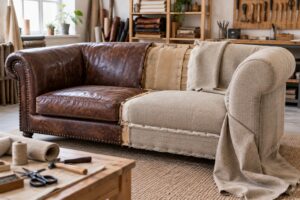
Learn can you recover a leather sofa with fabric by checking its structure, padding, fixing points, and fabric fit.
View details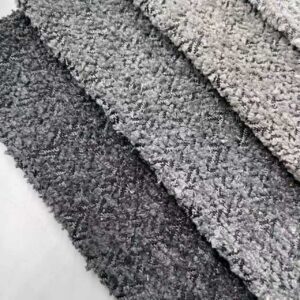
Choose brown couch material by comparing color, texture, durability, care, and batch consistency for real sofa use.
View details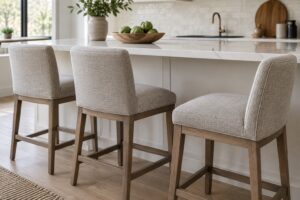
Choose bar stool upholstery fabric by checking wear, seams, texture, cleaning limits, and installation needs.
View details
Compare Best Stain-Resistant Sofa Fabrics For Families With Kids By Stain Tests, Cleaning Limits, And Durability.
View details